
What Does Journalism Actually Mean
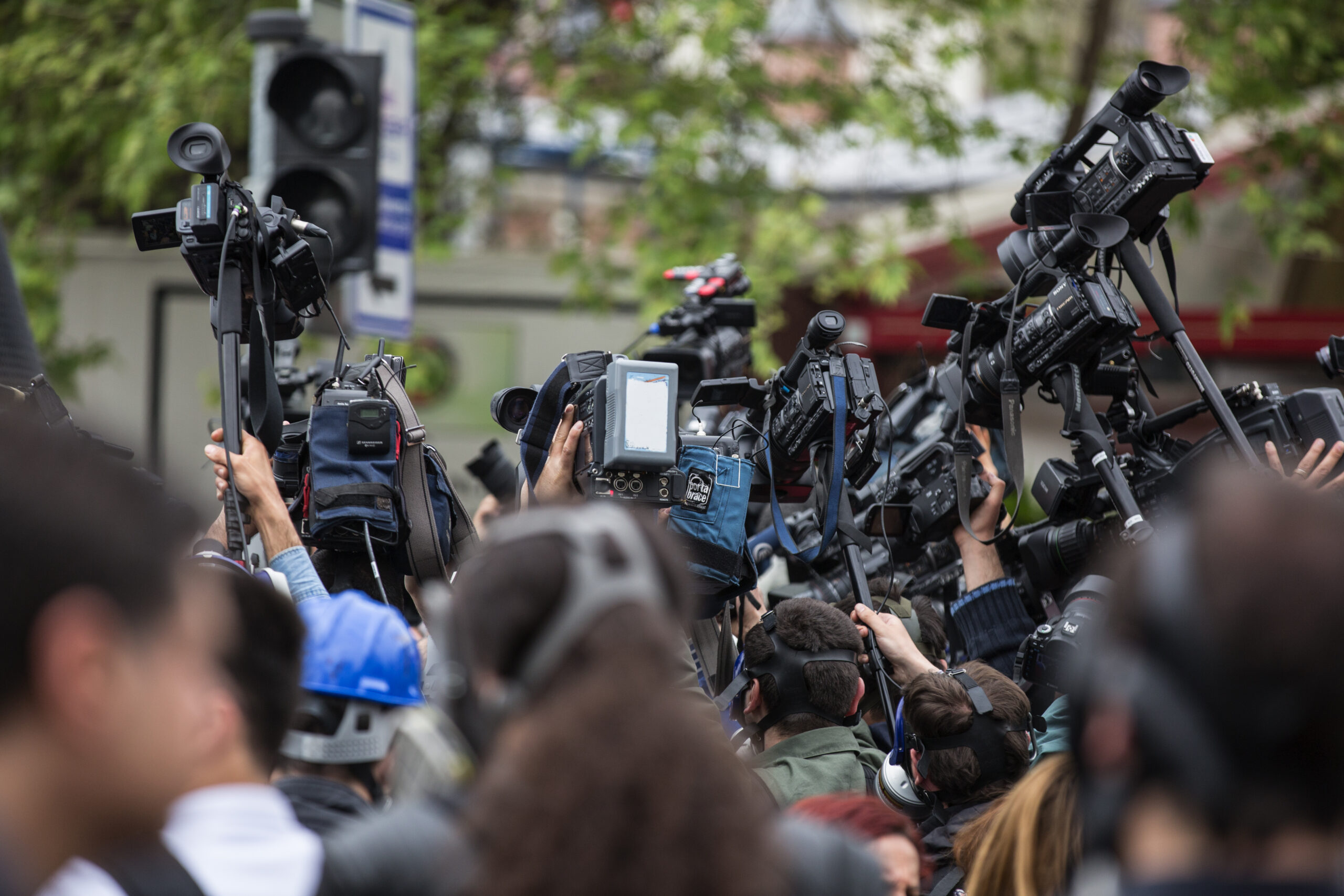
Journalism is the process of collecting information, verifying it, and presenting it to an audience in a way that’s accurate and useful. Think of it as a filter between raw events and the story you actually read.
A journalist’s job isn’t to have an opinion first and find facts to match. It’s the reverse: gather the facts, then let the story follow.
That distinction is what separates journalism from a random post you see online. Anyone can publish something. Not everyone checks it first.

The Core Purpose of Journalism
Journalism exists to inform you, not entertain you, even though the two sometimes overlap. Its job is to give you what you need to make decisions, whether that’s who to vote for or which product to trust.
It also holds power accountable. When a journalist investigates a company or a government office, they’re doing work most of us don’t have the time or access to do ourselves.

Key Principles Every Journalist Follows
Good journalism runs on a short list of principles: accuracy, fairness, independence, and accountability. Skip any one of these and the whole thing falls apart.
Accuracy means double checking facts before publishing, not after. Fairness means giving every side a real chance to respond, not just a token quote.
Independence keeps journalists from being influenced by advertisers, political parties, or personal bias. Accountability means owning mistakes publicly, with corrections, not quiet edits.

How Journalism Differs From Other Writing
A blog post can be opinion, speculation, or personal storytelling, and that’s fine. Journalism carries a different weight because it claims to represent what actually happened.
Marketing content wants you to buy something. Journalism wants you to understand something, even if the truth is inconvenient for someone involved.
That’s why sourcing matters so much. A journalist names where information came from, or explains why a source needs to stay anonymous.